
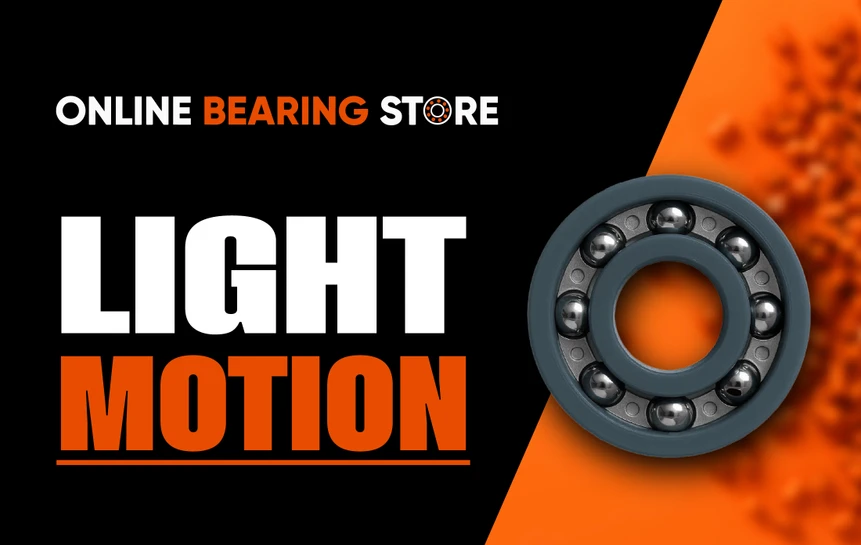
Plastic Bearings: The Best Choice for Non-Magnetic or Corrosive Applications
Plastic bearings have become a durable and versatile alternative to traditional metal bearings. They are especially effective in environments where corrosion, moisture, or magnetism can compromise performance. Engineers and maintenance professionals increasingly rely on them for applications in food processing, marine equipment, and medical devices. With their ability to resist chemicals, eliminate magnetic interference, and reduce maintenance needs, plastic bearings are a smart choice for modern industry.
Why Choose Plastic Bearings Over Metal Bearings?
Non-Magnetic and Non-Conductive
One of the biggest advantages of non-magnetic bearings is their ability to eliminate interference in sensitive equipment. Unlike steel, they don’t attract or repel magnets, making them ideal for MRI machines and precision instruments. They are also non-conductive bearings, which means they don’t carry electrical currents, protecting electronics from disruptions. This makes them a superior option in the plastic vs metal bearings debate when dealing with magnetic or electrical environments.
Corrosion and Chemical Resistance
Corrosion-resistant bearings made from polymers thrive in environments exposed to water, salt, and chemicals. Stainless steel may resist some corrosion, but chemical-resistant bearings outperform metals in aggressive industrial settings. Whether in marine equipment or chemical plants, polymer bearings maintain their integrity and extend service life.
Lightweight and Low Friction
Plastic ball bearings are lighter than metal alternatives, reducing equipment weight and improving energy efficiency. Many are designed as self-lubricating plastic bearings, eliminating the need for external grease. This makes them maintenance-free bearings, ideal for industries where downtime is costly.
How Do Plastic Bearings Perform in Harsh or Corrosive Environments?
Marine and Offshore Use
Saltwater corrodes metal quickly, but industrial plastic bearings resist corrosion and don’t require constant lubrication. Their durability makes them perfect for offshore machinery, ship equipment, and dockside operations.
Food and Pharmaceutical Applications
In hygienic industries, plastic ball bearings withstand frequent washdowns and resist cleaning agents. They don’t contaminate food or medicine, making them safe and compliant with strict standards.
Chemical Processing Equipment
Chemical-resistant bearings excel in plants where acids, solvents, and cleaning agents are common. Unlike metals, they don’t pit or degrade, ensuring reliable performance in demanding environments.
What Are the Main Types of Plastic Bearings?
Polymer Ball Bearings
Polymer bearings are lightweight, corrosion-proof, and suitable for low-to-medium load applications. They are widely used in cleanrooms, food processing, and medical devices.
Glass-Filled and PTFE Bearings
Glass-filled polymers and PTFE bearings offer enhanced load capacity and temperature resistance. These options extend the range of plastic vs metal bearings comparisons, showing how plastics can outperform metals in specific conditions.
Self-Lubricating Plastic Bearings
Self-lubricating plastic bearings contain embedded lubricants that reduce friction without external grease. As maintenance-free bearings, they are perfect for equipment where re-lubrication is difficult or costly.
When Should You Use Plastic Bearings Instead of Metal Bearings?
Non-Magnetic Applications
Non-magnetic bearings are essential in MRI machines, sensors, and precision instruments. They eliminate interference and ensure accurate performance.
Corrosive or Hygienic Environments
In food, beverage, and medical industries, plastic ball bearings resist corrosion and maintain hygiene standards. Their non-contaminating nature makes them safer than metals.
Lightweight Machinery
When reducing mass improves energy efficiency and speed, industrial plastic bearings are the better choice. Their lightweight design enhances performance in robotics, conveyors, and portable equipment.
How to Select the Right Plastic Bearing for Your Application?
Load and Speed Considerations
When selecting plastic bearings, match the design to your operational forces and rotation speeds. Polymer bearings are best for moderate loads, while reinforced composites handle heavier demands.
Temperature Range and Chemical Compatibility
Different materials offer varying resistance to heat, cold, and chemicals. Bearings designed for corrosion resistance can withstand harsh cleaning agents and extreme temperatures.
Maintenance and Lifespan Expectations
Proper installation and cleaning extend the lifespan of self-lubricating plastic bearings. With correct handling, they deliver reliable performance and reduce the need for frequent replacements.
What Are the Advantages of Maintenance-Free Plastic Bearings?
Self-Lubricating Materials
Self-lubricating plastic bearings eliminate the need for re-lubrication. This reduces downtime and ensures smooth operation in hard-to-reach equipment.
Reduced Noise and Friction
Plastic bearings operate quietly and with minimal friction. This makes them ideal for environments requiring smooth, silent performance.
Lower Total Cost of Ownership
Because they are maintenance-free bearings, they reduce replacement costs and downtime. Over time, this translates into significant savings compared to metal bearings.
Plastic Bearings from Online Bearing Store
Wide Selection of Polymer and Plastic Bearings
Online Bearing Store offers a wide range of plastic ball bearings and polymer bearings in different sizes and materials. Whether you need specialized industrial plastic bearings or lightweight options, you’ll find solutions tailored to your application.
Trusted Quality for Demanding Applications
The store provides corrosion-resistant bearings that deliver durability and performance in harsh environments. Their products are tested to meet the demands of industries where reliability is critical.
Expert Support and Product Guidance
Online Bearing Store’s team offers guidance to help you select the right bearing for your unique operating conditions. As a trusted supplier of plastic bearings, they ensure you get the best solution for your needs.
Explore Plastic Bearings for Harsh or Non-Magnetic Environments
Discover the full range of Online Bearing Store bearings designed for non-magnetic, corrosive, and demanding environments. Explore the catalog or contact their experts today to find the right solution for your application.
Frequently Asked Questions
Q1: What are plastic bearings made of?
They are made from polymers such as PTFE, PEEK, nylon, and composites.
Q2: Are plastic bearings non-magnetic?
Yes, they are fully non-magnetic bearings, making them ideal for MRI and electronic equipment.
Q3: How do plastic bearings resist corrosion?
They are designed as corrosion-resistant bearings, able to withstand water, salt, and chemicals.
Q4: Can plastic bearings handle heavy loads?
They are best for low-to-medium loads, but reinforced polymer bearings extend their capacity.
Q5: Do plastic bearings need lubrication?
Many are self-lubricating plastic bearings, requiring no external grease.
Q6: Where are plastic bearings used?
They are common in food processing, chemical plants, MRI equipment, marine environments, and cleanrooms.
Q7: How do plastic bearings compare to metal bearings?
In the plastic vs metal bearings comparison, plastic offers better corrosion resistance and lower maintenance, while metal handles higher loads.
Q8: Are plastic bearings cost-effective?
Yes, they reduce downtime and maintenance, lowering total ownership costs.
Q9: Can plastic bearings be customized?
Yes, suppliers offer custom dimensions and materials for specialized applications.
Q10: Where can I buy plastic bearings?
You can find them at Online Bearing Store, which offers a wide selection of industrial plastic bearings.
Need help finding the right bearing or placing an order? Our team is ready to assist.
CONTACT US