
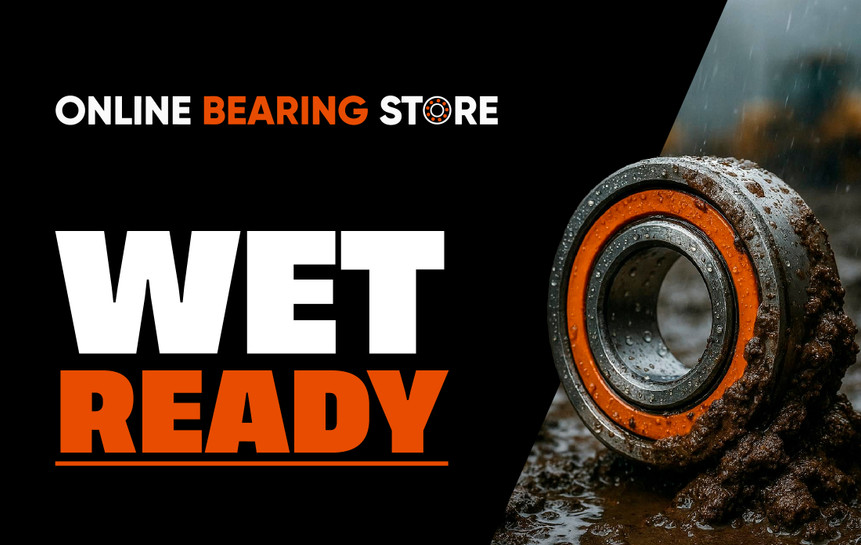
Waterproof Bearings That Work in Wet, Muddy or Submerged Environments
Moisture and dirt are two of the fastest ways to destroy a bearing, especially when equipment runs outdoors or in washdown areas. When water, mud, or full immersion become part of daily operation, you need bold, reliable solutions like waterproof bearings that can survive conditions standard components simply can’t handle.
Moisture, dirt, and full immersion are some of the most common causes of bearing failure because they attack the surfaces and lubrication that keep bearings running smoothly. When your equipment operates in harsh environments, sealed bearings for water exposure and other protective designs become essential for preventing breakdowns and extending machine life.
Why Do Bearings Fail in Wet or Submerged Conditions?
Bearings in bearings for wet environments face challenges that dry‑running components never experience. Water, mud, and contaminants work their way inside, breaking down lubrication and damaging metal surfaces. Once this happens, the bearing’s lifespan drops fast.
Water Ingress and Corrosion
Water is one of the most damaging contaminants a bearing can face. Even a small amount of moisture can slip past weak seals and settle inside the bearing. Once water enters, it causes rust, pitting, and corrosion on the raceways and rolling elements. These tiny pits create rough surfaces that lead to vibration, heat, and early failure. In submerged bearing applications, corrosion happens even faster, especially if the water contains salt or chemicals. This is why many industries rely on corrosion resistant bearings to prevent premature wear.
Contamination from Mud, Dirt, and Debris
Mud and dirt act like sandpaper inside a bearing. Abrasive particles grind against the rolling elements and raceways, wearing them down with every rotation. Contaminated bearings often show signs of noise, vibration, and increased friction long before they fail. In muddy environments—like agriculture, construction, and forestry—this type of damage is one of the leading causes of premature failure. Choosing bearings for muddy conditions helps reduce the risk of abrasive wear.
Lubrication Breakdown in Wet Environments
Standard grease is not designed to handle water exposure. When water mixes with grease, it thins out, loses its protective qualities, and washes away. Without proper lubrication, metal surfaces rub directly against each other, creating heat and wear. Bearings in wet environments need water‑resistant or marine‑grade grease to maintain protection. This is a key part of bearing protection against water, especially in high‑moisture settings.
What Makes a Bearing Truly Waterproof?
A bearing isn’t considered waterproof just because it has a seal. True waterproof bearing types use a combination of sealing, materials, and lubrication designed to block water and resist corrosion even in harsh or submerged conditions.
Sealed vs Shielded Bearings
Shielded bearings offer basic protection against dust and light debris, but they are not designed for water exposure. Sealed bearings, on the other hand, use rubber contact seals that press tightly against the inner ring. This creates a barrier that keeps water out and grease in. For wet environments, sealed bearings for water exposure are almost always the better choice.
Bearing Materials That Resist Corrosion
The material of the bearing plays a major role in how well it handles moisture. Common corrosion‑resistant options include:
- Stainless steel bearings – Excellent for water, humidity, and mild chemicals.
- Polymer bearings – Fully corrosion‑proof and ideal for washdown or chemical exposure.
- Coated bearings – Use protective layers to resist rust and extend lifespan.
These materials help prevent the rust and pitting that destroy standard steel bearings. In marine environments, marine grade bearings are often required to handle saltwater exposure.
Specialized Seals and Grease Types
Waterproof bearings often use advanced sealing systems such as:
- Contact seals
- Triple‑lip seals
- Labyrinth seals
These designs block water, mud, and debris more effectively than standard seals. Marine‑grade or water‑resistant grease also helps maintain lubrication even when exposed to moisture. This combination is essential for bearings for washdown environments, where high‑pressure cleaning is common.
Which Bearings Work Best in Muddy or Submerged Applications?
Different environments call for different bearing types. The best option depends on how much water, mud, or immersion your equipment faces.
Stainless Steel Bearings
Stainless steel bearings are one of the most popular choices for wet environments. They resist rust, handle humidity, and perform well in marine, food processing, and outdoor applications. Their durability makes them ideal for equipment that faces frequent washdowns or exposure to saltwater.
Polymer and Composite Bearings
Polymer bearings contain no metal, so they cannot rust. They are lightweight, chemical‑resistant, and ideal for applications where corrosion is a major concern. These bearings are often used in food processing, chemical plants, and submerged bearing applications where metal bearings would fail quickly.
Fully Sealed and Double-Sealed Bearings
Double‑sealed bearings use rubber seals on both sides to keep contaminants out. Fully sealed bearings go a step further with tighter contact seals and improved grease retention. These designs are perfect for bearings for muddy conditions, submerged applications, and environments where dirt and water are constant threats.
Where Are Waterproof Bearings Commonly Used?
Waterproof bearings are essential in industries where equipment faces constant exposure to water, mud, or cleaning chemicals.
Agricultural and Farming Equipment
Farm equipment often runs through mud, rain, and washdowns. Bearings on harvesters, spreaders, and irrigation systems need strong sealing and corrosion resistance to survive these conditions. Many operators choose bearings for wet environments to reduce downtime.
Marine and Coastal Applications
Saltwater is extremely corrosive. Bearings used on docks, boats, lifts, and marine equipment must resist rust and handle full or partial submersion. Marine grade bearings and stainless steel options are common choices here.
Washdown and Food Processing Facilities
Food plants require strict hygiene. Equipment is cleaned with high‑pressure water and chemicals, which can destroy standard bearings. Bearings for washdown environments are essential for keeping machines running safely.
Outdoor and Construction Equipment
Construction and forestry equipment face mud, rain, and heavy debris. Waterproof bearings help prevent contamination and extend the life of critical components.
How Do You Maintain Bearings in Wet or Submerged Conditions?
Even the best waterproof bearings need proper care. Good maintenance helps prevent failure and keeps your equipment running longer.
Regular Inspection and Cleaning
Check bearings often for signs of water intrusion, such as:
- Rust
- Noise
- Vibration
- Milky or leaking grease
Early detection helps you avoid major failures.
Proper Lubrication Practices
Use water‑resistant or marine‑grade grease. These greases stay in place longer and protect against washout. Make sure seals remain intact and replace them if they show signs of wear. This is a key part of bearing protection against water.
When to Replace Instead of Re-Lubricate
Sometimes a bearing is too far gone to save. If you see heavy rust, pitting, or grinding, replacement is safer than re‑lubrication. Running a damaged bearing can lead to bigger failures and costly repairs.
What Waterproof Bearing Options Are Available at Online Bearing Store?
Online Bearing Store offers a wide range of waterproof bearing types designed for harsh environments.
Sealed and Stainless Steel Bearings
You can find stainless steel bearings, double‑sealed bearings, and corrosion‑resistant options for equipment that faces water, humidity, or washdowns.
Bearings Designed for Harsh Environments
The store carries solutions for agriculture, marine applications, food processing, and industrial equipment. Many options include thermoplastic housings, stainless steel inserts, and advanced sealing systems.
Expert Support and Product Selection Help
If you’re unsure which bearing fits your application, the team at Online Bearing Store can guide you. They help you compare materials, sealing options, and load requirements so you can choose the right waterproof bearing.
Find the Right Waterproof Bearing for Your Application
Browse Online Bearing Store’s full selection of sealed, stainless steel, and waterproof bearings to find the right fit for your equipment. If you need help choosing the best option for wet, muddy, or submerged environments, reach out to their team for expert guidance.
FAQ: Waterproof Bearings
1. What makesa bearingwaterproof?
A waterproof bearing uses tight contact seals, corrosion‑resistant materials, and water‑resistant grease to block moisture and contaminants.
2. Can sealed bearings handle full submersion?
Some sealed bearings can handle short‑term submersion, but long‑term underwater use requires submerged bearing applications designed for that purpose.
3. Are stainless steel bearings fully rust‑proof?
Stainless steel bearings resist rust far better than standard steel, but they still need proper sealing to prevent water intrusion.
4. What bearings work best in muddy conditions?
Double‑sealed or fully sealed bearings are ideal bearings for muddy conditions.
5. How often should you lubricate bearings in wet environments?
More often than in dry environments. Water‑resistant grease helps extend intervals, but regular checks are still important.
6. Can polymer bearings be used underwater?
Yes. Polymer bearings are corrosion‑proof and perform well in submerged bearing applications.
7. What causes bearing corrosion?
Water, humidity, chemicals, and salt all contribute to corrosion when bearings lack proper sealing or material protection.
8. Do shielded bearings protect against water?
No. Shielded bearings only protect against dust and light debris, not water.
9. What signs show that water has entered a bearing?
Milky grease, rust, noise, and vibration are common signs of water intrusion.
10. Are waterproof bearings worth the investment?
Yes. They reduce downtime, prevent failures, and last longer in harsh environments.
Where can you buy waterproof bearings?
You can find waterproof bearing types, sealed bearings, and corrosion‑resistant options at Online Bearing Store.