
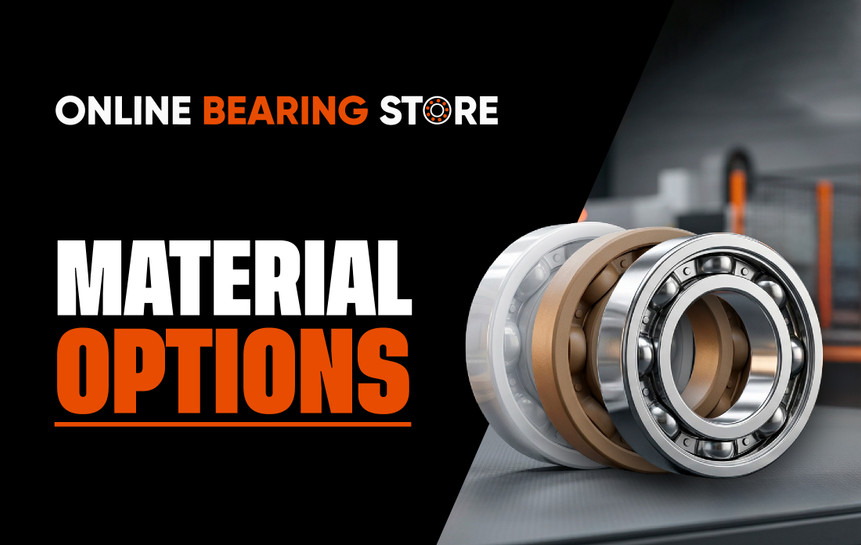
Choosing Between PEEK, Ceramic, and Stainless Anti-Bacterial Bearings for Your Application
A food processing facility recently replaced a specialty bearing in a washdown conveyor with a standard industrial bearing to reduce maintenance costs. Within weeks, operators noticed rust forming around the bearing housing. During cleaning cycles, moisture entered the bearing, causing accelerated wear and increasing the risk of contamination. Production was stopped for emergency maintenance, resulting in costly downtime and replacement expenses.
Situations like this are common in hygienic environments where bearings for wet environments face constant exposure to water, cleaning chemicals, temperature changes, and frequent washdowns. Selecting the right bearing material is not simply about load capacity or price. The material directly affects reliability, service life, maintenance frequency, and contamination risk.
Understanding today's leading hygienic bearing materials can help maintenance teams reduce downtime and improve equipment performance.
This guide compares PEEK, ceramic, and stainless steel anti-bacterial bearings to help you determine which option best fits your operating environment.
Why Does Bearing Material Matter in Hygienic Applications?
The Cost of Getting It Wrong
Bearing failures rarely happen without warning. In many cases, the root cause is selecting a material that cannot withstand the operating environment. Selecting the correct material is one of the most important steps in any bearing material selection guide, especially when equipment operates in demanding washdown conditions.
Common consequences include:
- Accelerated corrosion
- Premature bearing wear
- Lubricant breakdown
- Increased vibration
- Unexpected downtime
- Higher maintenance costs
- Contamination risks from damaged components
When bearings operate in wet, chemically aggressive, or frequently cleaned environments, material performance becomes just as important as bearing design.
What Makes a Bearing "Anti-Bacterial"?
The term "anti-bacterial bearing" generally refers to bearings made from materials that resist bacterial adhesion and are easier to keep clean.
Characteristics often include:
- Non-porous surfaces
- Corrosion-resistant materials
- Smooth surface finishes
- Resistance to moisture absorption
- Compatibility with frequent cleaning
Unlike standard industrial bearings, anti-bacterial bearing materials are selected specifically for environments where cleanliness and reliability must work together.
Key Industries That Require Hygienic Bearings
Several industries rely on hygienic bearing materials:
- Food processing
- Beverage production
- Pharmaceutical manufacturing
- Medical devices
- Chemical processing
- Marine equipment
- Packaging systems
- Cleanroom environments
Many facilities rely on food grade bearings and other specialized solutions to maintain reliability in demanding production environments.
In these applications, bearing material selection directly affects equipment uptime and maintenance requirements.
What Are PEEK Bearings and When Should You Use Them?
Properties of PEEK as a Bearing Material
PEEK bearings are manufactured from Polyether Ether Ketone (PEEK), a high-performance engineering thermoplastic designed for demanding industrial environments.
Key properties include:
- Lightweight construction
- Excellent chemical resistance
- Low moisture absorption
- Corrosion-free operation
- Non-metallic composition
- Non-magnetic performance
- Good temperature stability
Because PEEK does not rust, it performs exceptionally well in bearings for wet environments where metal corrosion is a concern.
Strengths and Limitations of PEEK
Strengths
PEEK bearings excel in:
- Aggressive chemical environments
- Frequent washdown applications
- Lightweight machinery
- Corrosion-sensitive processes
- Non-magnetic applications
The material remains stable when exposed to many acids, alkalis, solvents, and cleaning agents.
Because PEEK bearings resist moisture absorption and aggressive chemicals, they are commonly selected as corrosion resistant bearings for pharmaceutical and chemical processing equipment.
Limitations
PEEK may not be ideal when:
- Heavy loads are present
- Severe impact loads occur
- Budget constraints are critical
While highly durable, PEEK generally cannot match the load-carrying capability of stainless steel.
Typical PEEK Bearing Applications
Common applications include:
- Chemical dosing equipment
- Pharmaceutical conveyors
- Medical devices
- Laboratory systems
- Packaging machinery
- Light-duty food processing lines
When evaluating PEEK vs ceramic bearings, engineers often prioritize chemical resistance, weight reduction, and load requirements.
What Are Ceramic Bearings and When Do They Outperform Other Materials?
Types of Ceramic Used in Bearings
Ceramic bearings for food processing and pharmaceutical applications continue to gain popularity because of their corrosion resistance and durability.
Strengths and Limitations of Ceramic
Strengths
Ceramic bearings provide:
- Outstanding corrosion resistance
- Extremely low friction
- High-speed operation
- Electrical insulation
- High temperature tolerance
- Long service life
Many engineers choose ceramic bearings for food processing equipment when high temperatures and frequent cleaning cycles are present.
Limitations
Potential drawbacks include:
- Higher purchase cost
- Lower shock resistance
- Greater sensitivity to severe impact loads
Typical Ceramic Bearing Applications
Ceramic bearings are commonly used in:
- High-speed spindles
- Pharmaceutical equipment
- Medical machinery
- Cleanroom systems
- Food processing equipment
- Electric motors
- Semiconductor manufacturing
- Chemical pumps
Comparisons between PEEK vs ceramic bearings often focus on temperature resistance, friction levels, and long-term maintenance requirements.
What Are Stainless Steel Bearings and Where Do They Perform Best?
Grades of Stainless Steel Used in Bearings
Stainless steel bearings hygienic applications often require a balance of corrosion resistance, durability, and affordability.
Strengths and Limitations of Stainless Steel
Strengths
Stainless steel bearings offer:
- High load capacity
- Strong impact resistance
- Good corrosion resistance
- Proven durability
- Cost-effective performance
These corrosion resistant bearings remain one of the most popular solutions for food, beverage, and packaging facilities.
Limitations
Compared with PEEK and ceramic materials:
- Heavier weight
- Higher friction
- Greater lubrication requirements
- Reduced resistance to highly aggressive chemicals
Typical Stainless Steel Bearing Applications
Many engineers specify stainless steel bearings hygienic production systems because they provide dependable performance under routine washdown conditions.
Common uses include:
- Food conveyors
- Beverage processing systems
- Packaging equipment
- Marine machinery
- Pumps
- Washdown production lines
- Material handling systems
How Do PEEK, Ceramic, and Stainless Compare Head-to-Head?
Material Comparison Table
Any effective bearing material selection guide should compare performance characteristics across real-world operating conditions rather than focusing on a single specification.
|
Criteria |
PEEK Bearings |
Ceramic Bearings |
Stainless Steel Bearings |
|
Corrosion Resistance |
Excellent |
Excellent |
Very Good |
|
Maximum Operating Temperature |
High |
Very High |
Moderate to High |
|
Load Capacity |
Moderate |
Moderate to High |
High |
|
Chemical Compatibility |
Excellent |
Excellent |
Good |
|
Weight |
Very Light |
Light |
Heavy |
|
Relative Cost |
High |
Highest |
Lowest |
Choosing by Environment
For facilities searching for bearings for washdown applications, the right choice depends on chemical exposure, operating temperature, speed, and load demands.
Hybrid Options: Ceramic Balls in Stainless Rings
Hybrid designs are increasingly used where corrosion resistant bearings and high-speed performance are equally important.
What Other Factors Should You Consider When Selecting Anti-Bacterial Bearings?
Sealing and Enclosure Requirements
Proper sealing is particularly important for bearings for washdown applications where water and cleaning chemicals are routinely present.
Lubrication Compatibility
Even premium hygienic bearing materials can experience shortened service life if lubrication is incompatible with operating conditions.
Temperature and Speed Ratings
Equipment operating in extreme environments may require specialized food grade bearings designed for both temperature stability and corrosion resistance.
Which Anti-Bacterial Bearing Is Right for Your Application?
Quick-Reference Selection Guide
This simplified bearing material selection guide helps narrow the options based on operating conditions.
When to Consult a Specialist
Facilities comparing PEEK vs ceramic bearings in complex applications often benefit from technical consultation before making a final selection.
PEEK, Ceramic, and Stainless Anti-Bacterial Bearings from Online Bearing Store
Browse Our Hygienic Bearing Range
Online Bearing Store offers a comprehensive range of PEEK bearings, full ceramic bearings, hybrid ceramic bearings, and stainless steel solutions.
Whether you need ceramic bearings for food processing, stainless steel bearings hygienic production lines, or advanced corrosion resistant bearings, our product range is designed for demanding environments.
Our catalog includes solutions for bearings for wet environments, chemical processing equipment, and high-performance washdown systems.
Expert Guidance for Material Selection
Selecting the correct material often requires balancing load requirements, operating temperatures, chemical exposure, speed requirements, and maintenance expectations.
FAQ
1. What is the best bearing material for washdown applications?
PEEK, ceramic, and stainless steel can all perform well. The best choice depends on chemical exposure, temperature, and load requirements.
2. Are PEEK bearings resistant to cleaning chemicals?
Yes. PEEK offers excellent resistance to many industrial cleaning agents, acids, and solvents.
3. Do ceramic bearings rust?
No. Ceramic materials do not rust and provide exceptional corrosion resistance.
4. Which bearing material handles the highest temperatures?
Ceramic bearings generally provide the highest temperature capability.
5. Are stainless steel bearings suitable for food processing equipment?
Yes. Stainless steel bearings are widely used in food and beverage production equipment because of their durability and corrosion resistance.
6. What is the main advantage of PEEK bearings?
Their combination of chemical resistance, low weight, and corrosion-free performance.
7. Are ceramic bearings stronger than stainless steel bearings?
Ceramic bearings are harder, but stainless steel bearings typically handle impact loads better.
8. What are hybrid ceramic bearings?
They combine ceramic balls with steel raceways to improve speed performance and reduce friction.
9. How important are bearing seals in hygienic environments?
Very important. Proper seals help prevent contamination, moisture ingress, and lubricant loss.
10. How do I know which bearing material is right for my application?
Evaluate environmental conditions, load requirements, speed, temperature, and maintenance expectations. If multiple factors are involved, consulting a bearing specialist is recommended.
Find the Right Anti-Bacterial Bearing for Your Application
Whether you need PEEK bearings, ceramic bearings for food processing, or stainless steel bearings hygienic production systems, selecting the right material can significantly reduce maintenance costs and downtime.
Browse Online Bearing Store's full range of PEEK, ceramic, hybrid ceramic, and stainless steel anti-bacterial bearings today. If you need help selecting the right solution, speak with a product specialist for expert guidance tailored to your operating environment.