
IP68 vs. Fully Submerged: Which Anti Bacterial Bearing Rating Do You Actually Need?
Confusing an IP68 ingress rating with a fully submerged bearing design is one of the most common specification mistakes made across modern processing plants. Getting this distinction right regarding IP68 vs fully submerged bearings keeps your lines running smoothly, protects your planned production schedules, and saves your operations budget from costly over engineering.
What Does the IP68 Rating Actually Mean for Bearings?
When you are scanning component spec sheets for a wet or high sanitation processing zone, understanding your waterproof bearing rating options is usually the first line of defense you look for. However, reading those two numbers accurately requires understanding how the rating system actually evaluates mechanical components in real world environments.
Breaking Down the IP Code (Ingress Protection Explained)
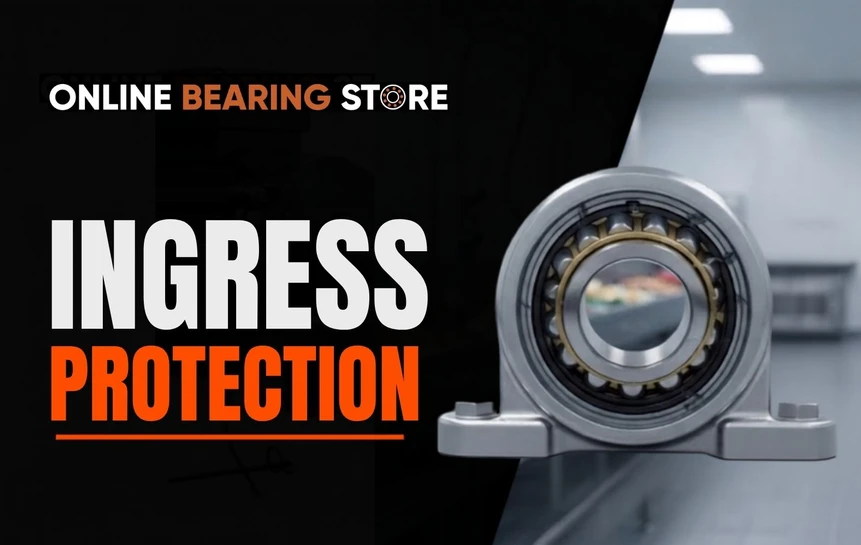
The bearing ingress protection rating relies on the IEC 60529 international standard, which uses a two digit code to define how effectively an enclosure or bearing seal stops solid particles and liquids from reaching internal mechanical parts:
- First Digit (Solids Protection): Scales from 0 to 6. A rating of 6 represents the absolute maximum score, confirming that the unit is completely dust tight against micro particulates.
- Second Digit (Liquids Protection): Scales from 0 to 9K. This rating gauges how well the assembly resists fluid entry under specific pressures, spray angles, and immersion depths.
When a manufacturer lists a washdown bearing rating in their catalog, it tells you the bearing assembly has achieved the top standard rating for static liquid immersion alongside complete dust sealing.
What "68" Specifically Tests For
Having the IP68 bearing rating explained in plain language reveals exactly what the laboratory certified during testing:
- The Number 6: Zero dust or fine solid particulate entry over extended testing windows.
- The Number 8: Protection against continuous immersion in static fresh water under conditions specified by the component manufacturer (typically resting 1.5 meters underwater for 30 to 60 minutes).
Common Misconceptions About IP68 Bearings
Despite what many supplier datasheets imply, an anti bacterial bearing rating of IP68 does not make a bearing indestructible underwater. Plant engineers regularly run into trouble during hygienic bearing selection by falling for three widespread misconceptions:
- Static Testing vs. Dynamic Operation: Standard IP immersion tests happen while the component sits completely stationary in a tank. Once your shaft spins at high speeds, dynamic centrifugal forces, thermal expansion, and shaft deflection change how fluid interacts with the seal lip.
- Static Pressure vs. High Velocity Spray: An IP68 rating measures bearing water resistance rating parameters for standing water depth. It does not certify that a bearing can withstand targeted high pressure chemical washdown hoses (which fall under the IP69K testing protocol).
- Pure Water vs. Sanitation Chemicals: Lab tests use clean, room temperature fresh water. They do not simulate 24/7 exposure to aggressive caustic foams, peracetic acid sanitizers, or heavy salt brine.
How Is a Fully Submerged Bearing Different from an IP68 Bearing?
While an IP68 rating indicates excellent water resistance during everyday plant cleaning, submersible bearings are engineered from the ground up to operate continuously underwater while carrying dynamic mechanical loads.
Continuous Immersion vs. Temporary or Intermittent Submersion
The critical difference between these two categories when evaluating IP68 vs fully submerged bearings boils down to exposure duty cycles:
- IP68 Bearings: Optimized for severe splash zones, heavy washdown cycles, and short term accidental flooding where the housing dries out between washdown routines.
- Submersible Bearings: Built to run 24 hours a day, 365 days a year, entirely underwater or submerged in aggressive liquid chemistry while turning under active production loads.
Sealing and Material Requirements for Full Submersion
Keeping liquid out of a bearing cavity underwater requires specialized internal engineering. A fully submerged bearing design relies on advanced sealing and material configurations to survive:
- Labyrinth and Triple Lip Barriers: Multistage labyrinth pathways paired with primary and secondary contact lips block fluid paths and protect internal raceways.
- Solid Polymer Lubrication: Traditional grease can emulsify or wash away under constant fluid contact. Submerged units often replace open grease with solid polymer blocks saturated with synthetic oil that cannot wash out.
- NonPorous Cast Alloys: High grade 316 stainless steel or solid engineered polymer housings eliminate surface pitting, resisting both chemical corrosion and bacterial harborages.
Pressure and Depth Considerations
Hydrostatic pressure increases steadily with water depth (adding roughly 0.433 psi per foot of depth). When choosing waterproof bearings, remember that head pressure builds and liquid exerts continuous force against seal lips. Fully submerged designs incorporate spring loaded sealing elements and reinforced wall geometries to maintain tight seal contact regardless of changes in tank fluid levels.
IP68 vs. Fully Submerged Bearings Comparison
To help you weigh your options during machine design or replacement, the table below outlines how these two protective approaches stack up across everyday operating demands:
|
Feature / Factor |
IP68 Rated Bearings |
Fully Submerged Bearings |
|
Primary Exposure Type |
High volume washdown, chemical splash, brief tank overflow |
Permanent 24/7 liquid or chemical submersion |
|
Sealing Architecture |
Double or triple lip contact seals with external flingers |
Multistage labyrinth seals with spring loaded contact lips |
|
Lubrication System |
NSF H1 food grade grease with water wash out additives |
Solid polymer lubrication (solid lube) or waterproof synthetic matrices |
|
Housing Construction |
Smooth 304/316 Stainless Steel or High Purity Thermoplastic |
Cast 316 Marine Grade Stainless Steel or specialized alloys |
|
Sanitary & Anti Bacterial Profile |
High (smooth surface contours prevent bacterial buildup) |
Maximum (fully sealed, cavity free designs eliminate internal fluid collection) |
|
Investment Level |
Cost effective standard washdown protection |
Premium custom engineered solution |
|
Common Plant Locations |
Conveyor lines, sorting decks, slicing equipment, overhead tracks |
Dip vats, chill tanks, underwater agitators, sump pumps |
Which Applications Actually Require Full Submersion Protection?
Because fully submersible bearings carry higher initial engineering costs, you should target them specifically for machinery where bearings must function underwater as part of normal operations.
Washdown Intensive Food and Beverage Processing Lines
Food processing facilities feature several critical production steps that happen underwater or inside liquid baths:
- Chill Vats and Cooling Tanks: Screw conveyors moving protein products through ice water baths rely on submerged bottom pivot bearings.
- Vegetable and Fruit Washing Stations: Submerged conveyor rollers drag produce through agitated flume tanks continuously.
- Brining and Pickling Tanks: Conveyor drives submerged in high sodium or acidic solutions require specialized submerged seals that resist chemical attack.
These aggressive conditions demand a purpose built sanitary bearing rating designed for submerged operation.
Water Treatment, Marine, and Outdoor Wet Equipment
- Wastewater Treatment Clarifiers: Primary and secondary clarifier drives feature scraper mechanisms that run continuously underwater.
- Aquaculture & Deck Machinery: Seafood processing lines operating on vessels or sea cage feeding systems face constant submersion in harsh salt water.
Cleanroom and High Hygiene Processing Environments
High tier pharmaceutical manufacturing tanks frequently utilize bottom entry mixing agitators. Proper hygienic bearing selection ensures these agitator bearings remain continuously protected while bathed in cleaning reagents and liquid process media during production and automated Clean in Place (CIP) runs.
When Is IP68 Enough Without Full Submersion?
For most processing plant applications, choosing an IP68 unit provides total protection without forcing you to pay for full submersion features you do not need.
Splash, Spray, and Occasional Washdown Exposure
If your bearings sit above liquid fill lines but encounter routine splashing or direct hose sprays during daily sanitation, an IP68 waterproof bearing rating gives you all the protection you need. Typical examples include:
- Packaging lines that get sprayed daily with sanitizing solutions.
- Bottling plant conveyors where liquid overflows happen regularly.
- Meat portioning machinery cleaned with medium pressure hot water.
Indoor Processing Lines with Periodic Cleaning Cycles
When equipment runs through distinct wet washdown routines followed by dry operational shifts, verifying the bearing ingress protection rating ensures excellent performance. Their multi lip contact seals keep sanitation fluids out while retaining factory grease through months of continuous operation.
Cost and Maintenance Tradeoffs Between the Two Ratings
Over specifying every component on your plant floor quickly drains your maintenance budget. Evaluating the washdown bearing rating versus full submersion needs shows that standard IP68 anti bacterial mounted units offer long service lives at a reasonable price point for 85% to 90% of plant washdown zones, allowing you to reserve specialized submerged assemblies for actual liquid tanks.
What Happens If You Choose the Wrong Rating?
Placing the wrong anti bacterial bearing rating on your line sets off a chain reaction of mechanical failures, unscheduled downtime, and safety risks.
Premature Seal Failure and Internal Contamination
Installing a standard IP68 bearing inside a continuous immersion tank eventually leads to failure. As fluid pressure presses against standard seal lips:
- Water works its way into the bearing cavity, diluting and washing out internal grease.
- Unlubricated steel on steel contact creates high friction, rapid wear, and cage breakdown.
- The bearing locks up, frequently damaging expensive drive shafts and motor gearboxes.
Corrosion and Bacterial Growth Risks
In sanitary processing, liquid ingress poses a major product safety hazard. Water trapped inside an unsealed bearing housing compromises your bearing water resistance rating performance, creating an ideal breeding ground for harmful pathogens like Listeria and Salmonella.
As the bearing spins, internal pressure can force contaminated moisture back out onto adjacent conveyor belts and food product. High grade anti bacterial bearings avoid this risk by using smooth, solid housing bases that eliminate hollow pockets where bacteria can hide.
Unnecessary Costs from Over Specifying Protection
Conversely, ignoring practical guidelines when choosing waterproof bearings and installing custom submersible bearings on an elevated sorting line wastes valuable capital. You end up paying for high end solid lube and multistage labyrinth seals where a standard IP68 unit would perform perfectly for years.
How Do You Choose the Right Rating for Your Application?
Determining your exact protection level is easy when you map out your line's environmental factors step by step.
Mapping Exposure Conditions to Rating Requirements (Checklist)
Run through this quick diagnostic checklist for every open bearing location:
- [ ] Does the bearing operate completely under water or process liquid during normal shifts?
- YES: Specify a Fully Submerged Bearing.
- NO: Move to the next question.
- [ ] Does fluid pool and submerge the bearing housing for over an hour at a time?
- YES: Specify a Fully Submerged Bearing or an IP68 unit equipped with solid polymer lube.
- NO: Move to the next question.
- [ ] Is the bearing hit with direct high pressure water or sanitizer during cleanup?
- YES: Check your washdown bearing rating and specify an IP68 or IP69K Washdown Bearing.
- NO: Move to the next question.
- [ ] Is the primary environmental hazard dust, dry ingredients, or light washdown spray?
- YES: A standard IP68 Anti Bacterial Bearing is ideal.
Questions to Ask Before Specifying a Bearing
- What chemicals are in the washdown liquid? (Check compatibility for seal rubber and housing coatings.)
- What is the operating temperature range? (Thermal swings alter seal flexibility and internal grease consistency.)
- What is the shaft speed (RPM)? (High speeds generate internal heat that affects tight contact seals.)
- Is the housing open backed or closed? (Sealing the back side of the bearing housing is just as important as protecting the front.)
Working with a Bearing Specialist for Custom or Borderline Applications
When operating conditions are tricky, like high speed shafts running under hot caustic sprays, consulting an experienced bearing supplier simplifies hygienic bearing selection and ensures you get the right combination of housing materials, seal designs, and lubricants without overspending.
Anti Bacterial and Waterproof Bearings from Online Bearing Store
At Online Bearing Store, we stock a complete line of high performance bearings designed specifically for demanding washdown and sanitary applications.
IP68 Rated Anti Bacterial Bearings
Our IP68 series features an ideal sanitary bearing rating profile:
- Smooth, high purity thermoplastic or 316 stainless steel housings.
- Antimicrobial housing additives that actively prevent mold and bacterial growth on component surfaces.
- Factory prepacked NSF H1 food grade grease.
- Solid base castings without hollow cavities to streamline sanitation cleanings.
Fully Submersible Bearing Solutions
For equipment running below the waterline, we supply specialized fully submerged bearing design assemblies featuring:
- Triple lip contact seals paired with external stainless steel flingers.
- Solid lube technology that completely prevents grease washout.
- Marine grade 316 stainless steel inserts and ceramic ball options for ultimate corrosion resistance.
Expert Guidance for Washdown and Hygienic Applications
If you are unsure whether your line needs a standard waterproof bearing rating or a custom submerged design, our technical team is ready to help. Having the IP68 bearing rating explained relative to your specific line speeds, sanitation chemicals, and operating temperatures allows us to recommend the right bearing for your budget and performance requirements.
Frequently Asked Questions (FAQ)
1. What is the main difference between an IP68 rating and a fully submerged bearing?
IP68 ratings certify that a bearing resists dust and static water immersion under specific lab conditions for short periods. Submersible bearings are custom engineered with specialized seals and solid lubricants to run continuously underwater under active mechanical loads.
2. Can an IP68 bearing handle continuous 24/7 underwater operation?
Generally, no. Standard IP68 contact seals can allow water to migrate into the bearing cavity under continuous rotation and fluid pressure, eventually leading to grease washout and premature bearing failure.
3. How does IP68 differ from an IP69K washdown rating?
An IP68 bearing water resistance rating tests for protection against static water immersion depth. IP69K tests against high pressure, high temperature washdown sprays (up to 1,450 psi at 176°F / 80°C). Many premium hygienic washdown bearings carry both ratings.
4. What is solid lube, and why is it recommended for wet applications?
Solid lube is a polymer matrix saturated with lubricating oil that fills the entire internal volume of the bearing. Because it is a solid structure, water cannot displace or wash the oil away, making it ideal for wet and submerged environments.
5. How do anti bacterial bearing housings improve food safety?
An anti bacterial bearing rating confirms smooth, nonporous surfaces embedded with antimicrobial compounds. This construction eliminates housing cavities where process debris and bacteria like Listeria can collect and grow between sanitation cycles.
6. Which housing material is best for harsh washdown environments: thermoplastic or stainless steel?
Both work exceptionally well. High grade thermoplastic housings offer lightweight, corrosion proof performance at an attractive price point. Cast 316 stainless steel provides maximum mechanical strength and chemical resistance for heavy load areas.
7. Why do bearings fail shortly after heavy sanitation washdowns?
Post washdown failures usually happen when water penetrates worn seals, diluting grease and rusting internal steel raceways. Thermal shock, where cold washdown water contracts hot bearing housing air, can also vacuum liquid past standard lip seals.
8. Are IP68 bearingsprelubricated with food grade grease?
Yes, high quality IP68 washdown bearings come prefilled from the factory with NSF H1 food grade grease, meeting strict safety guidelines for accidental food contact.
9. How do backend frame seals protect mounted bearing units?
Backend frame seals close off the opening where the shaft exits the rear of the bearing housing. This blocks washdown water and debris from entering the housing from behind, protecting the bearing cavity from all angles.
10. How can I prevent grease washout in high-spray washdown zones?
To stop grease washout, focus on smart hygienic bearing selection using IP68/IP69K bearings fitted with multi lip contact seals, stainless steel flingers, and water resistant NSF H1 synthetic grease or upgrade to solid polymer lube for problem spots.
Get the Right Protection Level for Your Application
Navigating choosing waterproof bearings does not have to be complicated. By matching your line's fluid depth, cleaning routines, and operating speeds to the right protection rating, you keep your production moving and get the most out of your maintenance budget.
Ready to upgrade your washdown equipment or replace a failing unit?
- Browse our full catalog of Anti Bacterial and Waterproof Bearings to find direct drop in replacements.
- Reach out to the Online Bearing Store Technical Team for personalized application support and technical guidance.