
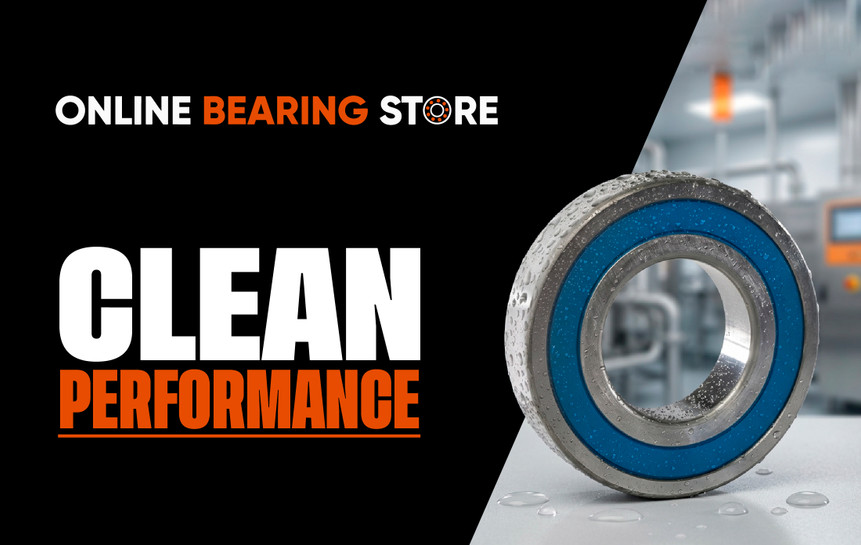
Anti-Bacterial and Waterproof Bearings: The Complete Buyer's Guide for Hygienic and Wet Environments
Water, cleaning chemicals, and strict hygiene rules create one of the toughest environments for mechanical components. If your bearings aren’t designed for it, failure isn’t a matter of if—it’s when—which is why choosing the right anti-bacterial bearings and waterproof bearings matters from day one.
Why Do Standard Bearings Fail in Wet and Hygienic Environments?
Corrosion from Water and Cleaning Chemicals
Most standard bearings use carbon steel, which simply isn’t built for constant exposure to moisture. In facilities that rely on bearings for washdown applications, equipment is regularly blasted with water and aggressive cleaning agents.
Over time, that combination eats away at protective surfaces. Even small amounts of trapped moisture can trigger rust inside the bearing. Once corrosion begins, performance drops quickly—leading to noise, overheating, and eventual failure. That’s why investing in corrosion resistant bearings is less about upgrades and more about avoiding downtime.
Bacterial Growth and Contamination Risk
In hygienic environments, it’s not just about keeping machines running—it’s about keeping products safe. Standard bearings often have tiny gaps and uneven surfaces where grease and debris collect.
Those areas can quietly become hotspots for bacteria. In industries that depend on hygienic bearings food industry standards, this is a serious risk. Using properly designed bearings for food processing helps reduce contamination by limiting places where bacteria can grow in the first place.
Seal and Lubricant Degradation
High-pressure washdowns don’t just clean equipment—they can also strip away protection. Standard seals often aren’t strong enough to keep water out under these conditions.
Once water gets inside, it dilutes or removes lubrication entirely. That leads to metal-on-metal contact, increased friction, and rapid wear. This is why sealed bearings for wet conditions are critical if your equipment is cleaned frequently. Reliable waterproof bearings are built specifically to handle this kind of stress.
What Makes a Bearing Anti-Bacterial or Waterproof?
Material Choices: Stainless Steel vs Polymer vs Ceramic
Material selection plays a big role in how well a bearing performs.
- Stainless steel bearings for wet environments are a popular choice because they balance strength with corrosion resistance
- Plastic bearings for wet environments won’t rust at all and handle chemicals well
- Ceramic options are often used when speed or extreme conditions are involved
Choosing the right material helps ensure your bearings remain durable and hygienic over time. In most cases, the goal is to create a system that acts as a long-term corrosion resistant bearings solution.
Seal Design for Water Exclusion
Seals are where a lot of the real protection happens.
A basic shield might keep out dust, but it won’t stand up to water jets. More advanced designs—like contact seals or multi-lip seals—create tighter barriers. Labyrinth seals, on the other hand, are useful in high-speed setups where friction needs to stay low.
If you’re relying on waterproof bearings, it’s worth paying close attention to how those seals are built.
Food-Grade and Anti-Microbial Lubrication
In food and pharma environments, lubrication isn’t just about performance—it’s about safety.
Food grade bearings use lubricants that meet strict safety standards, including NSF H1 approval. Many FDA approved bearings also include greases designed to resist microbial growth.
This is especially important when you’re working with bearings for food processing, where even minor contamination can lead to major issues.
Which Industries Need Anti-Bacterial and Waterproof Bearings?
Food and Beverage Processing
If you’ve ever seen a production line being cleaned, you know how intense washdowns can be. Equipment is exposed to water, heat, and chemicals daily.
That’s why bearings for washdown applications are standard in this space. From conveyors to filling systems, hygienic bearings food industry solutions help keep everything running safely.
Pharmaceutical and Medical Equipment
In pharmaceutical settings, cleanliness isn’t optional—it’s tightly regulated. Bearings must meet strict requirements and operate without introducing contamination.
Using FDA approved bearings and sealed bearings for wet conditions helps maintain those standards while ensuring reliable performance.
Marine and Outdoor Environments
Saltwater, humidity, and weather exposure can quickly destroy standard components.
In these environments, corrosion resistant bearings and properly designed waterproof bearings are essential. Without them, maintenance cycles become frequent and expensive.
Aquaculture, Brewing, and Dairy
These industries combine constant moisture with strict hygiene expectations.
Using food grade bearings alongside plastic bearings for wet environments gives you a balance of cleanliness and durability, especially where chemicals or liquids are always present.
How Do You Choose the Right Bearing for Your Application?
Assess Your Environment: Wet vs Washdown vs Submerged
Not all “wet” environments are the same, and that distinction matters.
- Occasional moisture may only need light sealing
- Washdown setups require bearings for washdown applications
- Fully submerged systems demand high-performance waterproof bearings
Understanding your environment is the first step toward making the right call.
Check Regulatory and Certification Requirements
If you’re working in food or pharma, compliance is a big deal.
- FDA approved bearings are often required
- NSF certifications ensure safe lubrication
- Industry standards vary depending on your application
Choosing the right food grade bearings helps you meet these requirements without second-guessing.
Consider Load, Speed, and Temperature
It’s easy to focus only on moisture, but operating conditions matter just as much.
- Heavy loads → stainless steel bearings for wet environments
- Chemical exposure → plastic bearings for wet environments
- High-speed systems → low-friction designs
The goal is to match performance needs with long-term durability using corrosion resistant bearings.
Buyer's Selection Table
|
Application |
Material |
Seal Type |
Certification |
|
Food processing |
Stainless steel |
Double sealed |
FDA / NSF |
|
Washdown systems |
Stainless steel |
Contact seals |
IP-rated |
|
Chemical exposure |
Plastic |
Sealed |
Chemical resistant |
|
Marine |
Stainless steel / polymer |
Triple seal |
Corrosion resistant |
What Are the Main Types of Waterproof and Hygienic Bearings?
Stainless Steel Deep Groove Ball Bearings
These are often the go-to option for many industries.
They provide a solid mix of strength and corrosion resistance, making them ideal stainless steel bearings for wet environments. You’ll commonly see them used in bearings for food processing and similar applications.
Full Polymer and Plastic Bearings
If corrosion is your biggest concern, plastic is hard to beat.
Plastic bearings for wet environments don’t rust and can handle aggressive chemicals. They’re also lightweight, which can be an added benefit in certain designs. In many cases, they double as reliable waterproof bearings.
Ceramic and Hybrid Bearings
Ceramic bearings aren’t always necessary, but they shine in extreme conditions.
They reduce friction, resist wear, and perform well at high speeds. When paired with sealed bearings for wet conditions, they can offer exceptional longevity.
Sealed-for-Life and Maintenance-Free Options
These bearings come pre-lubricated and sealed, so you don’t need to service them regularly.
They’re especially useful in hygiene-sensitive areas where maintenance access is limited. Many food grade bearings fall into this category.
What Are the Most Common Mistakes When Specifying Bearings for Wet Environments?
Choosing Standard Carbon Steel to Save Cost
It might seem like a cost-saving move at first, but it rarely works out that way.
Standard bearings fail quickly in wet environments, leading to more replacements and downtime. Investing in corrosion resistant bearings upfront usually saves money in the long run.
Overlooking Seal Ratings for Washdown Pressure
Not every seal is built to handle high-pressure cleaning.
If you’re working with bearings for washdown applications, make sure the seal rating matches your cleaning process.
Using Non-Approved Lubricants in Food Zones
This is an easy mistake to overlook.
Using the wrong lubricant can create compliance issues and contamination risks. Always stick with food grade bearings and FDA approved bearings where required.
Ignoring Housing and Shaft Material Compatibility
A bearing is only one part of the system.
If surrounding components corrode, the entire setup can fail—even if you’re using waterproof bearings. Everything needs to work together.
How Should You Install and Maintain Waterproof and Hygienic Bearings?
Correct Handling to Avoid Pre-Installation Contamination
Keep bearings sealed until the moment you install them.
This is especially important when working with hygienic bearings food industry applications, where cleanliness starts before installation.
Torque and Fit Tolerances for Sealed Bearings
Too much force during installation can damage seals.
Following proper torque guidelines helps ensure sealed bearings for wet conditions perform as intended.
Inspection Intervals in High-Washdown Environments
Even durable waterproof bearings benefit from routine checks.
Regular inspections help you catch wear early and avoid unexpected downtime.
Which Anti-Bacterial and Waterproof Bearings Does Online Bearing Store Stock?
Stainless Steel Bearing Range
You’ll find a wide selection of stainless steel bearings for wet environments designed for reliability in demanding conditions.
These are commonly used across food, marine, and industrial settings.
Food-Grade and NSF-Approved Options
Online Bearing Store offers a strong range of food grade bearings and FDA approved bearings.
These products are built to meet strict hygiene and safety standards.
Polymer and Corrosion-Free Bearing Solutions
For applications where corrosion is a constant concern, plastic bearings for wet environments provide a practical solution.
They’re lightweight, durable, and well-suited for chemical exposure.
Expert Guidance for Specification and Selection
If you’re unsure which option fits your application, getting expert input can make a big difference.
The team at Online Bearing Store can help you select the right corrosion resistant bearings based on your specific requirements.
Find the Right Bearing for Your Hygienic or Wet Environment
Explore Online Bearing Store’s full range of anti-bacterial bearings, waterproof bearings, and food grade bearings to find a solution that fits your application. If you need help narrowing it down, their team is available to guide you toward the best choice.
FAQ Section
1. What are anti-bacterial bearings?
They are bearings designed to limit bacterial growth and support hygiene in sensitive environments.
2. What makes waterproof bearings different from standard ones?
They use stronger seals and corrosion-resistant materials to prevent water from entering and causing damage.
3. Where are bearings for washdown applications typically used?
They’re common in food processing, beverage production, and any facility that requires regular cleaning.
4. Are stainless steel bearings always the best option?
Not always. Stainless steel bearings for wet environments are strong and reliable, but plastic may be better for chemical-heavy settings.
5. What are food grade bearings used for?
They’re used in environments where equipment may come into contact with food, ensuring safety and compliance.
6. Why choose plastic bearings for wet environments?
Plastic bearings for wet environments don’t corrode and handle chemicals well, making them ideal in certain applications.
7. What certifications should I look for?
Look for FDA approved bearings and NSF certifications, depending on your industry.
8. How do sealed bearings help in wet conditions?
Sealed bearings for wet conditions keep water out and lubrication in, which helps extend service life.
9. Can standard bearings handle wet environments at all?
They can handle light moisture, but they are not suitable for continuous exposure or washdowns.
10. How often should waterproof bearings be inspected?
Even the best waterproof bearings should be checked regularly, especially in high-use or high-cleaning environments.