
Why Non-Food-Grade Bearings Fail Audits and How to Avoid a Costly Swap
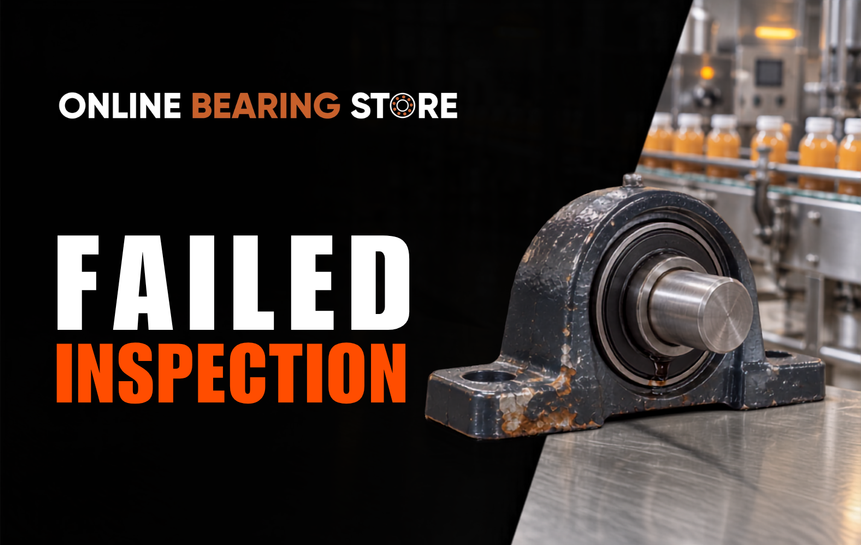
When a plant inspector shines a flashlight on a rusted pillow block above your main packaging line and orders an immediate line shutdown, you quickly realize how a cheap mechanical component can trigger a non-food-grade bearing audit failure.
What Makes a Bearing "Non-Food-Grade"?
Standard industrial bearings are workhorses designed for dry, heavy-duty applications like automotive plants and paper mills, but when you put them into a cleanroom or high-pressure washdown zone, their standard design features quickly turn into bearing contamination risk liabilities. Careful food grade bearing selection is essential to meet strict sanitary bearing standards.
Standard Materials and Coatings
Most standard off-the-shelf bearings are manufactured from high-carbon chrome steel and housed in cast iron painted with industrial enamel. In a moist processing room, micro-cracks form in the housing paint, allowing moisture to penetrate beneath the surface and cause deep oxidation. Eventually, paint chips and rust flakes begin to shed directly over machinery and processing zones, failing bearing material audit compliance checks. Proper food grade bearing selection helps avoid these material hazards.
Conventional Grease and Lubricants
Standard bearings are packed at the factory with industrial mineral-oil greases loaded with extreme-pressure chemical additives like zinc, sulfur, and heavy metals. These compounds work great for raw load-bearing applications, but they are toxic if ingested. When a bearing heats up or gets hit by cleaning fluids, standard grease thins out and drips, turning an ordinary lubricant into a serious bearing contamination risk. Upgrading to compliant lubricants is a core part of food processing bearing compliance.
Seal and Housing Design
Traditional cast-iron bearing housings are built with rough outer surfaces, recessed mounting holes, and hollow backs that trap moisture, organic matter, and rinse water. Their basic rubber seals simply cannot withstand high-pressure washdowns. Water easily passes by the seal lip, washing away internal grease, rusting the rolling elements, and causing washdown bearing failure. Implementing hygienic bearing design prevents these structural weaknesses.
Why Do Non-Food-Grade Bearings Fail Compliance Audits?
Auditors evaluate critical control points across your plant to stop physical, chemical, and biological hazards before they reach consumers, and non-food-grade bearings regularly trigger red flags across all three categories.
Contamination Risk from Lubricant Migration
As bearings spin during a long shift, internal friction creates heat that breaks down grease consistency. Combined with line vibration and daily washdowns, unrated grease leaks out past simple contact seals and works its way onto conveyor belts, packaging equipment, or raw product. If an inspector spots dark grease beads hanging off a bearing frame near an open product zone, they will write up a non-food-grade bearing audit failure on the spot. Maintaining food processing bearing compliance requires eliminating this bearing contamination risk.
Corrosion and Particle Shedding
Cleanliness routines in modern plants rely on aggressive caustic detergents, acid rinses, and high-temperature water. Standard carbon steel corrodes rapidly under this relentless treatment, leading to pitting, flaking rust, and structural degradation. Auditors cite facilities for bearing corrosion audit failure because metal particles can flake off into packaging and because pitted metal creates microscopic crevices that harbor bacteria. Upgrading to stainless steel food grade bearings ensures full bearing material audit compliance.
Inadequate Washdown Resistance
Standard bearing seals degrade fast when hit with warm water jets and caustic chemicals, which lower water's surface tension and allow cleaning solutions to bypass internal seal lips. Once cleaning fluids enter the bearing cavity, they dilute the lubricant, corrode raceways, and lead directly to washdown bearing failure. Inspectors easily identify this damage by looking for noisy operation, seizing components, and rusty water weeping from the seal lips. Following established sanitary bearing standards helps prevent these failures.
What Does a Failed Audit Actually Cost a Facility?
Failing a compliance inspection over a non-compliant bearing costs far more than simply buying a replacement part; the real damage lies in the chain reaction of unplanned costs that follow.
Unplanned Production Downtime
When an auditor flags a critical component directly above a processing line, it can lead to an immediate washdown bearing failure stoppage. For high-volume production facilities, line downtime costs thousands of dollars per hour in lost throughput, wasted ingredients, and idle shift labor. Every minute spent waiting on a replacement bearing eats directly into facility profitability. Thorough food grade bearing selection keeps lines running smoothly.
Rush Sourcing and Premium Freight
Replacing components during an emergency forced shutdown means you rarely have time to shop around for competitive pricing. Maintenance crews are forced to buy whatever localized inventory is available, often paying massive markups and overnight air freight fees to get parts delivered on short notice. Maintaining proper food processing bearing compliance inventory prevents these costly emergencies.
Repeat Audit Findings and Reputational Risk
A major audit finding triggers mandatory corrective action plans, follow-up inspections, and heightened scrutiny from quality assurance auditors. If a non-compliant component actually leads to product contamination, the result is product holds, mass scrapping, or a full recall. Prioritizing avoiding bearing recalls through reliable hygienic bearing design protects customer trust and permanently safeguards your brand reputation.
How Can You Tell If Your Current Bearings Are at Risk?
You do not need to wait for an official inspection to identify high-risk components; a simple walk through your facility floor can highlight problem areas before an inspector points them out.
Self-Audit Checklist
- Housing Material: Is the bearing housing made of painted cast iron, or is it solid stainless steel or food-grade polymer? Check this to ensure bearing material audit compliance.
- Surface Condition: Is there any visible rust, pitting, or peeling paint on the housing or inserts? Addressing rust prevents bearing corrosion audit failure.
- Lubrication Type: Can you produce NSF H1 certificates for the grease packed inside the bearing assembly? This is critical for sanitary bearing standards.
- Sealing System: Is grease weeping out, or is washdown water leaking into the housing? Inspecting seals eliminates bearing contamination risk.
- Housing Geometry: Is the housing base solid and flush-mounted, or does it feature hollow cavities that trap water and debris? Look for optimized hygienic bearing design.
- Documentation: Do you have spec sheets and material compliance records for the exact part numbers installed on active lines? This proves full food processing bearing compliance.
High-Risk Zones in a Facility
Pay close attention to processing lines operating in high-risk zones throughout your facility:
- Direct Product Contact Zones: Bearings mounted directly above, beside, or inside open product streams, sorting tables, mixers, and slicers require stainless steel food grade bearings.
- High-Pressure Washdown Areas: Equipment lines that endure daily sanitation routines using chemical detergents and high-pressure hot water are vulnerable to washdown bearing failure.
- High-Humidity and Cold Environments: Freezers, chillers, and steam-cooking areas where drastic temperature swings cause constant condensation on metal surfaces demand proper food grade bearing selection.
Reviewing Bearing Documentation and Specs
Auditors frequently ask for proof of compliance during facility walkthroughs. Even if you have stainless steel food grade bearings installed, failing to produce material traceability sheets or food-grade lubricant certificates means the auditor may cite you for bearing material audit compliance issues. Keep up-to-date technical spec sheets organized and accessible for every bearing running on critical lines.
What Should You Look for in a Food Grade Bearing?
Smart food grade bearing selection requires matching housing materials, internal lubricants, and sealing systems directly to the operating demands of your facility.
Corrosion-Resistant Materials
High-performance sanitary bearings use advanced corrosion-resistant materials to withstand harsh operating conditions and prevent bearing corrosion audit failure:
- AISI 304 Stainless Steel: Excellent for cast housings and mounting frames that face high humidity, moisture, and chemical exposure, meeting all sanitary bearing standards.
- AISI 440C Stainless Steel: Ideal for inner rings, outer rings, and rolling elements in stainless steel food grade bearings, offering high mechanical strength, hardness, and corrosion resistance.
- Thermoplastic / Polymer Housings: Durable, lightweight housings that never rust, peel, or chip, offering superior hygienic bearing design.
Compatible Lubricants
Always select bearings pre-packed with NSF H1 registered food-grade synthetic greases. These specialized lubricants are odorless, tasteless, non-toxic, and specifically formulated for environments where incidental food contact might occur. They resist water washout, perform reliably across broad temperature ranges, and stay locked inside the bearing housing, reducing overall bearing contamination risk and assisting in avoiding bearing recalls.
Sealed, Washdown-Ready Housings
Hygienic bearing assemblies feature engineered sealing systems to withstand intense cleaning cycles and stop washdown bearing failure:
- Multi-Lip Contact Seals: Fluorocarbon or elastomeric multi-lip seals backed by stainless steel flingers physically block high-pressure water jets and contaminants.
- Solid-Base Housings: Smooth, fully solid base designs mount flush against equipment frames, eliminating hidden gaps where debris can accumulate, embodying best practices in hygienic bearing design.
- Self-Draining Profiles: Smooth outer profiles with smooth radii ensure washdown water drains off effortlessly without pooling, maintaining strict food processing bearing compliance.
How Do You Avoid a Costly Emergency Swap?
Switching from reactive maintenance to a proactive component strategy keeps your facility audit-ready, assists in avoiding bearing recalls, and protects your bottom line.
Auditing Bearing Stock Proactively
Incorporate bearing reviews into your standard preventive maintenance routine. Schedule monthly visual inspections to check housing conditions, verify seal integrity, and look for signs of grease leakage or corrosion to prevent a unexpected bearing corrosion audit failure before an official auditor sets foot on the floor.
Standardizing on Food Grade Bearings for At-Risk Lines
Maintaining a mixed inventory of standard and food-grade bearings creates unnecessary compliance exposure. During a late-night equipment failure, a technician might accidentally grab a standard carbon steel bearing from the maintenance shelf and install it on a washdown line, resulting in a washdown bearing failure. Standardizing all spare parts for at-risk production lines with stainless steel food grade bearings eliminates this risk completely.
Partnering with a Supplier That Stocks Compliant Options
Avoid long lead times by building relationships with distributors who keep extensive inventories of compliant components. Working with a supplier that stocks ready-to-ship, washdown-grade bearings ensures you can address maintenance needs quickly while maintaining strict food processing bearing compliance.
Food Grade Bearings and Support from Online Bearing Store
At Online Bearing Store, we assist plant engineers, maintenance teams, and procurement managers in keeping their processing equipment fully compliant and running smoothly.
Stainless Steel and Specialty-Coated Bearing Range
Our extensive catalog features premium stainless steel food grade bearings and thermoplastic mounted units manufactured specifically for demanding washdown environments. Built using high-grade 304 and 440C stainless steel alloys, these units eliminate rusting, surface flaking, and structural degradation, ensuring complete bearing material audit compliance.
Compatible Lubricant and Sealing Solutions
Our complete food grade bearing line comes pre-lubricated with NSF H1 certified food-grade synthetic grease. Combined with multi-lip sealing systems that reflect modern hygienic bearing design, these assemblies keep lubricants securely inside while keeping water and caustic chemicals out, successfully minimizing bearing contamination risk.
Expert Guidance on Compliance-Ready Bearing Selection
Navigating sanitary bearing standards and material specs can be challenging. You can read our detailed guide to explore technical requirements or speak directly with our team for guidance on food grade bearing selection to help you choose the right replacement parts before an inspection forces a sudden shutdown or non-food-grade bearing audit failure.
Get Ahead of Your Next Audit
Do not wait for an auditor to discover non-compliant components on your critical processing lines. Protect your facility from unexpected shutdowns, lost product, and emergency expenses by prioritizing avoiding bearing recalls and upgrading to corrosion-resistant, washdown-ready components today.
Explore our complete food grade bearing catalog at Online Bearing Store or reach out to our technical support team to schedule a compliance-focused bearing review for your facility, ensuring full food processing bearing compliance.
Frequently Asked Questions
1. What makes a bearing lubricant NSF H1 certified?
An NSF H1 certification means the lubricant is formulated and safely tested specifically for incidental food contact. If a trace amount of NSF H1 grease comes into contact with food product during operation (up to 10 parts per million), it will not pose a health hazard or trigger an immediate product recall, playing a major role in avoiding bearing recalls.
2. Why are standard carbon steel bearings prohibited near processing lines?
Standard carbon steel rusts quickly when exposed to moisture and daily cleaning washdowns. The resulting rust causes physical contamination when flakes drop into open product streams, leading to a bearing corrosion audit failure, while pitted metal creates microscopic pockets where harmful bacteria can hide and grow.
3. Can I use a standard chrome bearing if it is covered by a plastic guard?
While protective covers shield bearings from direct splashes, moisture and condensation still build up inside the housing cover over time. This trapped humidity causes standard carbon steel bearings to rust and break down internally, leading to washdown bearing failure which auditors can still write up as a compliance failure.
4. What does IP69K rating mean for a bearing seal?
An IP69K rating indicates that the bearing seal assembly is tested to withstand harsh, high-pressure, high temperature washdowns. Seals with this rating resist water pressure up to 1,450 PSI at temperatures up to 176°F without leaking or allowing washdown fluids to enter the housing, meeting rigorous sanitary bearing standards.
5. What is the difference between 304 and 440C stainless steel in bearings?
Type 304 stainless steel offers exceptional corrosion resistance against acids, chemical detergents, and water, making it the ideal choice for outer housings. Type 440C is a high-carbon martensitic stainless steel used for internal rings and balls in stainless steel food grade bearings, offering high mechanical strength and wear resistance under heavy rotation.
6. How do solid-base housings improve plant hygiene?
Standard cast-iron housings feature hollow recesses on their undersides that trap moisture, food scraps, and cleaning fluids, creating breeding grounds for bacteria. Solid-base housings mount flush against machine frames, eliminating these hidden pockets so surfaces can be easily cleaned, representing an essential feature of hygienic bearing design.
7. Why are standard cast-iron painted housings an audit risk?
The paint on standard cast-iron housings chips, cracks, and flakes off when exposed to thermal expansion, physical impact, and chemical cleaning agents. These paint chips can fall directly into raw ingredients or finished product, creating a severe bearing contamination risk and violating bearing material audit compliance.
8. How often should food-grade bearings be inspected during self-audits?
High-risk processing zones and washdown lines should be inspected visually on a monthly basis. Maintenance teams should check for signs of grease migration, seal degradation, surface corrosion, and unusual noise or vibration during routine preventive maintenance checks to ensure ongoing food processing bearing compliance.
9. What documentation should I keep on file for bearing compliance?
You should maintain technical specification sheets, material traceability records, and NSF H1 grease certificates for every bearing model installed on or near processing lines. Having these documents ready makes proving compliance during an audit fast and effortless, helping avoid a non-food-grade bearing audit failure.
10. Can thermoplastic housings handle heavy mechanical loads?
Yes, engineered thermoplastic housings are molded from high-strength polymers designed to handle significant mechanical loads and physical impacts. They provide high resistance to chemical corrosion, will never rust or peel, prevent washdown bearing failure, and offer an ideal solution when executing your food grade bearing selection strategy.