
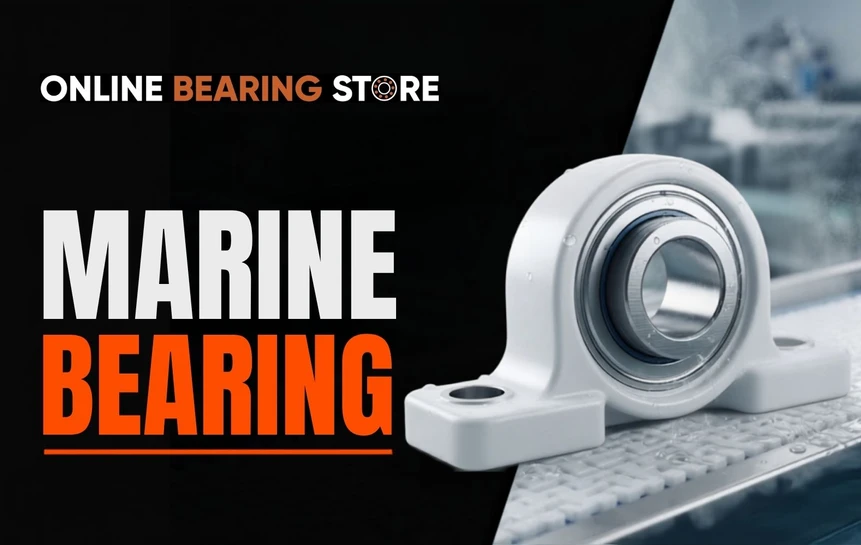
Why Aquaculture and Marine Processing Equipment Needs Anti Bacterial Waterproof Bearings
Operating aquaculture facilities and seafood processing plants means subjecting your machinery to a relentless combination of saltwater, organic residue, and high pressure daily washdowns that swiftly destroy standard industrial bearings.
Why Do Standard Bearings Fail in Aquaculture and Marine Processing Environments?
If you manage machinery in a marine or fish processing facility, you already know how fast standard components break down. Regular bearings are built for clean, dry industrial plants. When you expose them to harsh marine conditions, their internal parts degrade almost immediately, proving why specialized bearings for fish processing equipment are so essential.
Constant Moisture and Saltwater Exposure
Sustained wet and saline conditions create a hostile environment for unprotected steel. Water alone causes rust, but salt acts as a high speed catalyst. The chloride ions in ocean water continuously strip away the protective oxide layer on standard metals, causing rapid oxidation. Even if your equipment sits above the waterline, ocean spray and heavy humidity carry airborne salt directly into your housing units. Once saltwater penetrates the bearing interior, aggressive chemical corrosion eats into the polished raceways and rolling elements, causing severe friction, grinding, and sudden seizure. Installing saltwater-resistant bearings protects internal components from this rapid destruction.
Bacterial and Organic Contamination
In fish farming and seafood processing, water carries far more than just salt; it is packed with organic matter. Fish slime, scales, blood, fats, and organic waste float through your work zones and settle onto exposed machinery. Over time, these residues build up and form dense, sticky biofilms. Biofilms hold onto moisture and produce natural acids that break down conventional bearing greases. As bacteria multiply, they work their way past standard rubber seals, turning smooth internal grease into a thick, abrasive sludge that starves your bearing of lubrication, causing severe friction where only hygienic bearings seafood processing facilities rely on can maintain sanitation.
Frequent Washdown and Cleaning Cycles
Sanitation regulations in the seafood sector demand rigorous cleaning schedules. Every day, your team blasts production lines with high pressure hot water, heavy chemical foams, and harsh disinfectants. While this keeps your facility sanitary, it creates huge problems for machinery. Aggressive cleaning protocols force water and chemical agents right past standard rubber lip seals. These chemical cleaners also degrade standard elastomers over time, causing seals to crack, swell, or shrink. Each washdown cycle strips away essential grease, leaving internal rolling elements exposed to air, moisture, and rust. Using robust waterproof bearings marine processing plants require ensures your equipment survives these daily sanitation cycles.
What Damage Do Poorly Suited Bearings Cause in These Applications?
When you run bearings that are not built for wet and biologically active environments, the resulting damage goes far beyond a single broken part. It creates a chain reaction of operational friction and financial loss across your entire facility.
Corrosion and Pitting
Once saltwater and moisture enter a standard steel bearing, rust forms rapidly across the polished raceways. This oxidation causes pitting, the formation of tiny, microscopic craters in the smooth metal surfaces. As the steel ball bearings roll over these pits, they generate intense vibration and noise. Over time, this constant pounding causes spalling, where large flakes of surface metal break loose inside the bearing race. These loose metal particles act like grit, grinding down internal components and bringing your machine to a complete stop, demonstrating why robust stainless steel bearings marine environment applications demand are vital.
Seal Degradation and Contamination Ingress
Standard rubber lip seals quickly deteriorate when exposed to fish oils, animal fats, and caustic washdown chemicals. As the seals degrade, seal degradation and contamination ingress become unavoidable. Compromised seals lose their tight grip on the shaft, allowing water, bacteria, and grit to flow freely into the internal raceway. At the same time, internal grease leaks out into your process stream, creating serious cross contamination hazards and failing health inspections unless you deploy high grade sealed bearings wet washdown environments require.
Increased Downtime and Maintenance Costs
Frequent bearing failures destroy your operating budget. When a bearing seizes on a crucial filleting conveyor or intake pump, your entire processing line comes to a sudden halt. The operational cost of frequent bearing replacement includes lost production hours, spoiled raw seafood, expensive emergency maintenance service, and the constant expense of buying replacement parts. Upgrading to specialized corrosion resistant bearings aquaculture operations depend on keeps your production lines moving and protects your profit margins.
What Makes a Bearing Suitable for Aquaculture and Marine Processing Use?
To survive constant moisture, salt, and organic waste, bearings require specialized materials and smart mechanical engineering. Modern hygienic bearings seafood processing plants rely on combine non corrosive alloys, advanced sealing technology, and specialized protective treatments.
Corrosion Resistant Materials
Replacing standard carbon steel with non corrosive materials is the first line of defense against marine degradation:
- 316 Stainless Steel: Offers exceptional resistance to saltwater, marine spray, and harsh washdown chemicals. Utilizing stainless steel bearings marine environment applications require ensures lasting structural strength under heavy operating loads.
- Thermoset Polymer Housings: Lightweight, high strength plastic housings will never rust, flake, or chip, even when fully submerged in saltwater raceways.
- Ceramic Rolling Elements: Silicon nitride ceramic balls are completely impervious to rust, lighter than steel, and run smoothly with minimal lubrication, serving as excellent corrosion-resistant bearings aquaculture systems need.
Enhanced Sealing Designs
Superior sealing systems keep moisture and debris out while sealing high performance grease inside. Using durable sealed bearings wet washdown environments rely on means featuring triple lip contact seals made from chemical resistant fluoroelastomer (FKM) or nitrile rubber. These units feature integrated stainless steel flinger shields that physically block and deflect high pressure water jets during daily sanitation washdowns, performing far better than generic bearings for fish processing equipment.
Antimicrobial Surface Treatments
Controlling biological growth requires active protection on the outside of your bearing housing. Advanced hygienic bearing units feature built in antimicrobial agents integrated directly into the housing polymer or applied as specialized surface coatings. These antimicrobial bearing coatings release microscopic ions that neutralize bacterial cell walls on contact, preventing colonies of Listeria, Salmonella, and E. coli from forming biofilms. Selecting high grade anti bacterial bearings for aquaculture equipment ensures these units feature smooth, rounded housing geometries without crevice traps, making them easy to sanitize thoroughly.
Which Aquaculture and Marine Processing Applications Benefit Most?
Every stage of modern fish farming and seafood processing places unique physical demands on rotating machinery. Installing specialized waterproof bearings marine processing lines need delivers major performance improvements across several core application areas.
Tanks, Raceways, and Aerators
Paddlewheel aerators, air blowers, and fish tank agitators run continuously in harsh wet environments. Aerator bearings sit right at the water surface, constantly splashed by oxygen rich saltwater. Standard bearings in these units fail rapidly as water washes out their grease. Equipping your aerators with saltwater resistant bearings featuring solid food grade lubricants ensures 24/7 continuous operation without risking grease leaks into your fish stocks.
Feed and Water Circulation Systems
Water circulation systems form the life support framework for land based fish farms and hatcheries. Specialized bearings for aquaculture pumps, filtration drums, and automated feed blowers must handle continuous flow and high mechanical stress. A seized pump bearing can stop water circulation instantly, dropping dissolved oxygen levels and threatening your entire stock. Equipping your circulation system with bearings for aquaculture pumps built from waterproof stainless steel keeps pumps and feed systems running reliably without interruption.
Processing Lines and Conveyors
Seafood processing facilities operate under rigorous food safety protocols. Using reliable bearings for fish processing equipment mounted on sorting belts, filleting lines, deheading machines, and packaging conveyors helps machinery endure severe operational stress. They are coated in fish blood and oils during shifts, then blasted with hot chemical water during cleanup. Hygienic anti bacterial bearings for aquaculture equipment and processing facilities resist harsh cleaners, prevent bacterial harborage, and keep your production lines running smoothly shift after shift.
How Do You Choose the Right Anti Bacterial Waterproof Bearing?
Selecting the perfect bearing involves matching specific material properties and seal designs to your exact facility conditions.
Matching Bearing Material to Environment
Evaluate the specific exposure level of your application before buying:
- Full Saltwater Submersion: Choose 316 stainless steel bearings or solid polymer units with ceramic rolling elements, which function as premier saltwater resistant bearings.
- High Pressure Washdown Zones: Opt for anti bacterial thermoplastic housings fitted with 304 or 316 stainless steel insert bearings that utilize advanced antimicrobial bearing coatings.
- High Speed Rotating Shafts: Select premium stainless steel bearings marine environment operations specify, packed with NSF H1 food grade grease.
Evaluating Sealing and IP Ratings
Pay close attention to Ingress Protection (IP) ratings when reviewing bearing specifications for sealed bearings wet washdown environments require. Look for units rated at IP66 or IP69K:
- IP66: Protects internal components against high pressure water streams from any angle.
- IP69K: Delivers total protection against close range, high temperature, high pressure washdowns (up to 1,450 PSI at 176°F).
Adding protective end caps and back seals provides a multi barrier defense, ensuring your waterproof bearings marine processing machinery relies on perform flawlessly.
Maintenance and Inspection Considerations
Even high performance hygienic bearings seafood processing plants install benefit from routine upkeep:
- Inspect Seals Monthly: Check flexible rubber seals on your corrosion resistant bearings aquaculture units for signs of cracking, wear, or chemical hardening.
- Apply Food Grade Grease Correctly: Regrease units using NSF H1 food grade grease. Avoid over greasing, as excessive internal pressure can pop the seals out of position.
- Clean Exterior Housings: Wipe down outer caps and housing surfaces of your bearings for aquaculture pumps to prevent solid scale buildup.
Anti Bacterial Waterproof Bearings from Online Bearing Store
Online Bearing Store supplies high performance, marine grade bearings engineered specifically for demanding aquaculture and seafood processing applications.
Stainless Steel and Corrosion Resistant Bearing Lines
Online Bearing Store offers an extensive inventory of stainless steel bearings marine environment setups require, including deep groove ball bearings, insert bearings, and polymer units. Available in 304 and 316 marine grade stainless steel, these products serve as top tier corrosion resistant bearings aquaculture operations can trust to deliver unmatched protection against saltwater rust and harsh chemical wear.
Sealed and Washdown Duty Bearing Housings
Our washdown duty mounted units pair saltwater resistant bearings with anti bacterial thermoplastic housings treated with antimicrobial bearing coatings. Designed with smooth exterior contours and no open cavities, these hygienic bearings seafood processing plants rely on eliminate places where bacteria hide and multiply. Equipped with multi lip contact seals and protective end covers, these sealed bearings wet washdown environments demand deliver total reliability in heavy washdown zones.
Expert Support for Application Specific Selection
Choosing the right bearing size, material, and sealing combination for your bearings for fish processing equipment or bearings for aquaculture pumps can be tricky. Online Bearing Store’s technical support team works directly with equipment engineers, maintenance techs, and procurement managers to select the exact waterproof bearings marine processing plants need for their specific operating environment.
Protect Your Equipment with the Right Bearings
Do not wait for a seized bearing to halt your production line and ruin your inventory. Upgrade your facility with high performance anti bacterial bearings for aquaculture equipment that resist rust, block contamination, and withstand daily washdowns.
Explore Online Bearing Store’s full range of stainless steel bearings marine environment grade products, sealed bearings wet washdown environments units, and hygienic bearings seafood processing mounted assemblies today. Contact our expert technical team for personalized advice and get the perfect corrosion resistant bearings aquaculture components delivered straight to your plant!
Frequently Asked Questions (FAQ)
1. What makes a bearing "anti bacterial"?
An anti bacterial bearing uses housing materials or surface treatments infused with antimicrobial bearing coatings, such as silver ions. These agents actively neutralize bacteria, mold, and biological slime, making them ideal anti bacterial bearings for aquaculture equipment and processing lines.
2. Can stainless steel bearings still rust in saltwater?
Standard 440C stainless steel offers moderate water resistance but can rust over time when submerged in saltwater. Grade 316 stainless steel contains molybdenum, which dramatically improves resistance to chloride corrosion from seawater. For total immunity to saltwater rust, solid polymer saltwater resistant bearings with ceramic balls are ideal.
3. How do waterproof bearings withstand high pressure washdowns?
High performance waterproof bearings marine processing facilities utilize multi lip contact seals, stainless steel flinger plates, and tight fitting protective end caps. This multi barrier design makes them ideal sealed bearings wet washdown environments require to deflect high pressure water jets and prevent washdown chemicals from entering the internal raceway.
4. Are anti bacterial bearings safe for direct food contact zones?
Yes. Quality hygienic bearings seafood processing plants install feature FDA compliant plastic housings, non toxic antimicrobial bearing coatings, and NSF H1 certified food grade lubricants, making them safe for use near bearings for fish processing equipment on active production lines.
5. What is the advantage of thermoplastic bearing housings over cast iron?
Thermoplastic housings treated with antimicrobial bearing coatings will never rust, chip, or flake, unlike painted cast iron housings. They feature smooth, non porous surfaces that resist chemical corrosion, do not trap organic residue, and are much easier to sanitize thoroughly during washdowns.
6. What IP rating should I look for in washdown bearings?
Look for sealed bearings wet washdown environments require rated IP66 for protection against heavy water jets, or IP69K for total protection against high pressure, high temperature washdowns commonly used on waterproof bearings marine processing equipment.
7. What type of grease should be used in marine processing bearings?
Always use NSF H1 certified food grade grease. For wet and saline conditions, select synthetic food grade greases formulated for corrosion resistant bearings aquaculture setups with strong water washout resistance and anti corrosion additives.
8. Why do standard rubber bearing seals fail so quickly in seafood plants?
Standard rubber seals degrade because they react with animal fats, fish oils, and harsh cleaning chemicals. Specialized bearings for fish processing equipment use chemical resistant fluoroelastomer (FKM) or synthetic nitrile seals designed to withstand harsh processing environments.
9. How do ceramic hybrid bearings perform in aquaculture equipment?
Ceramic hybrid bearings, which pair stainless steel races with ceramic rolling elements, perform exceptionally well as saltwater resistant bearings. Ceramic balls cannot rust, generate less friction, require less grease, and resist wear better than traditional steel balls in wet environments.
10. How often should waterproof bearings in fish processing plants be lubricated?
Regreasing schedules depend on operating speed, temperature, and washdown frequency. However, many modern bearings for aquaculture pumps and conveyors feature factory packed solid lubricant or sealed for life designs that completely eliminate the need for routine re greasing.