
4 Common Locking Systems for Bearings (And How to Choose)
When a bearing slips on a shaft, problems build fast—heat rises, vibration increases, and parts wear out sooner than expected. Choosing the right bearing locking systems helps you protect your shaft, reduce vibration, and keep your equipment running smoothly while improving bearing slip prevention.
What Are Bearing Locking Systems and Why Do They Matter?
Bearing locking systems secure a bearing’s inner ring to the shaft so it cannot move during operation. Without proper locking, the shaft can spin inside the bearing, causing slip, heat, noise, and early failure. Strong locking improves stability and supports reliable bearing mounting systems used in real industrial environments.
In simple terms, locking systems keep everything in place while your machine runs under load. Modern bearing locking methods are designed to handle load changes, vibration, and temperature variation while supporting long equipment life. When you select the correct solution, your shaft locking bearings perform better and last longer.
How Do Set Screw Locking Systems Work?
How Set Screw Bearings Secure the Shaft
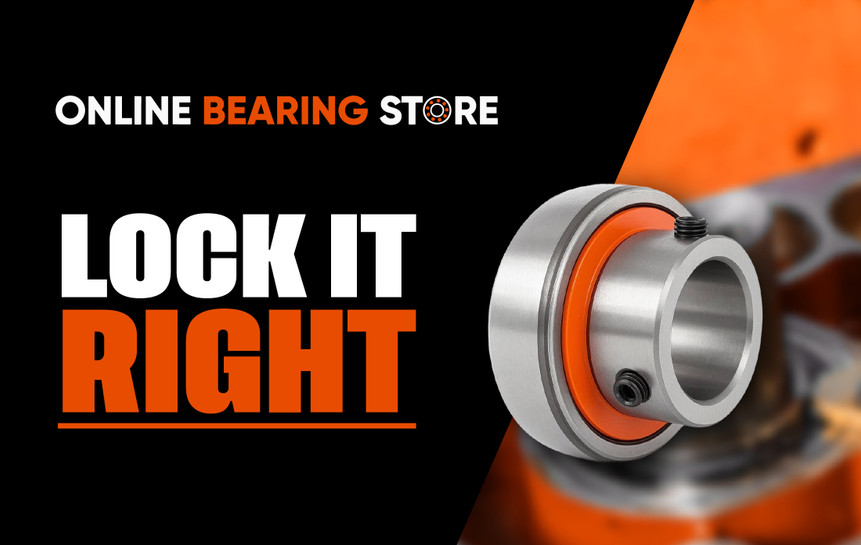
Set screw bearings use two screws tightened directly onto the shaft surface. As you tighten them, the screws press into the shaft and create friction that locks the inner ring in place. This simple design makes shaft locking bearings stable under normal operating conditions.
Proper torque and clean shaft surfaces improve grip and reduce the chance of movement. Among common bearing locking methods, this is one of the simplest and most widely used.
When Should You Use Set Screw Bearings?
Set screw bearings work best in light-to-moderate load applications with low to moderate shaft speeds. They are cost-effective and easy to install, making them popular across many industries that rely on simple bearing mounting systems.
You often see them in light conveyors, fans, and agricultural machines where easy installation and reliable bearing slip prevention are required without complex tools.
What Are the Pros and Cons of Set Screw Locking?
Pros
- Simple and affordable
- Easy installation
- Widely available
- Works well for standard applications
Cons
- Can mark or damage shaft surface
- Limited performance at high speed
- May loosen under vibration
These trade-offs make set screw bearings useful but not ideal for every application, especially when comparing other bearing locking methods designed for higher performance.
How Does an Eccentric Collar Locking System Function?
How Eccentric Collars Grip the Shaft
Eccentric collar bearings use an off-center collar that tightens when rotated in the direction of shaft movement. This self-tightening action increases holding force and improves grip compared to basic shaft locking bearings.
Once tightened, a set screw locks the collar in position, supporting stable performance and effective bearing slip prevention.
What Applications Benefit from Eccentric Collars?
Eccentric collar bearings work well in conveyors, agricultural machines, and packaging equipment where loads are moderate and rotation usually stays in one direction. These mounted bearing locking options provide stronger holding than simple systems while remaining easy to install.
They perform best in environments with moderate vibration where dependable bearing mounting systems are needed.
What Are the Advantages and Limitations of Eccentric Collars?
Advantages
- Easy installation
- Stronger grip than basic systems
- Less shaft damage
- Reliable for moderate loads
Limitations
- Not ideal for reversing rotation
- Less holding power than heavy-duty systems
- May loosen under severe shock
Because of these traits, eccentric collar bearings remain popular shaft locking bearings for medium-duty applications.
How Do Adapter Sleeve Locking Systems Work?
How Adapter Sleeves Mount Bearings on Shafts
Adapter sleeve bearings use a tapered sleeve placed between the shaft and bearing. Tightening the locknut compresses the sleeve, creating uniform pressure around the shaft. This even clamping improves alignment and enhances bearing slip prevention while protecting the shaft surface.
This design is widely used in advanced bearing mounting systems because it provides strong friction-based locking.
When Are Adapter Sleeves the Best Choice?
Adapter sleeve bearings are ideal for medium-to-heavy loads and higher shaft speeds. They are commonly used in pumps, compressors, and heavy conveyors where strong shaft locking bearings are required.
They are also useful when frequent removal is needed because they simplify certain bearing installation methods compared to tight interference fits.
What Are the Benefits and Drawbacks of Adapter Sleeves?
Benefits
- Strong and even shaft grip
- No shaft damage
- Handles heavy loads and higher speeds
- Easier removal and adjustment
Drawbacks
- More complex installation
- Requires proper torque and tools
- Higher cost than basic locking systems
Despite complexity, adapter sleeve bearings are trusted bearing mounting systems for demanding industrial environments.
How Do Concentric Locking Systems Improve Shaft Alignment?
How Concentric Locking Rings Distribute Load Evenly
Concentric locking systems use a ring that tightens evenly around the shaft. This balanced force reduces shaft distortion, improves alignment, and enhances bearing slip prevention. Even pressure also protects shaft surfaces and improves the performance of shaft locking bearings.
Uniform clamping helps reduce vibration and improves long-term equipment stability.
What Applications Require Concentric Locking Systems?
Concentric locking systems are common in high-speed motors, automated machinery, and precision equipment where stable bearing mounting systems are critical. These systems support strong mounted bearing locking options in high-vibration and high-speed environments.
They are ideal when equipment demands accuracy, stability, and long service life.
Why Are Concentric Locking Systems Considered Premium Options?
Concentric systems offer strong grip, excellent alignment, and long bearing life. They reduce vibration, improve reliability, and provide superior bearing slip prevention compared to simpler bearing locking methods.
Although more expensive, they are widely used where downtime is costly and performance matters most.
How Do You Choose the Right Locking System for Your Application?
Load, Speed, and Vibration Considerations
Understanding your operating conditions is key when deciding how to choose bearing locking systems.
- Light loads → Set screw systems
- Moderate loads → Eccentric collar systems
- Heavy loads → Adapter sleeve or concentric systems
Higher speeds and vibration levels require stronger shaft locking bearings and more secure bearing mounting systems.
Shaft Condition and Installation Requirements
Shaft condition plays a major role in locking performance.
Smooth shafts → Most bearing locking methods work
Worn shafts → Avoid direct screw locking
Precision shafts → Use sleeve or concentric systems
Also consider your available tools, maintenance schedule, and preferred bearing installation methods when selecting a locking solution.
Comparison Table of Bearing Locking Systems
|
Locking System |
Load Capacity |
Speed Capability |
Vibration Resistance |
Installation Ease |
|
Set Screw |
Light–Moderate |
Moderate |
Low–Moderate |
Easy |
|
Eccentric Collar |
Moderate |
Moderate |
Moderate |
Easy |
|
Adapter Sleeve |
Moderate–Heavy |
High |
High |
Medium |
|
Concentric Locking |
Heavy |
Very High |
Very High |
Medium |
This comparison helps you understand how to choose bearing locking systems that match your equipment needs and operating conditions.
How Can Online Bearing Store Help You Select the Right Locking System?
Mounted Bearings with Multiple Locking Options
Online Bearing Store provides mounted bearings with multiple mounted bearing locking options, including pillow block, flange, and take-up units. These solutions support many bearing mounting systems used across industries.
You can choose locking types that match load, speed, and vibration conditions for reliable performance.
Expert Guidance for Installation and Selection
Choosing the right locking solution can be complex. Online Bearing Store offers support to help you select the best bearing installation methods and locking approach for your specific equipment.
Expert guidance improves bearing slip prevention and helps extend bearing life.
Reliable Products Built for Industrial Performance
Online Bearing Store supplies durable bearings built for demanding environments. Their range includes high-quality shaft locking bearings, reliable adapter sleeve bearings, and trusted eccentric collar bearings.
With strong availability and technical support, you can find dependable solutions for long-term performance.
Find the Right Bearing Locking System for Your Equipment
Selecting the correct locking solution protects your shaft, reduces vibration, and improves bearing life. Explore Online Bearing Store’s mounted bearings, pillow block units, and advanced bearing mounting systems to find the best fit for your application. Contact the team today for expert help selecting reliable shaft locking bearings and improving bearing slip prevention.
Frequently Asked Questions
- What is the strongest bearing locking system?
Concentric andadapter sleeve bearings provide the strongest grip and work best for heavy loads and high speeds. - Are set screw bearings still widely used?
Yes,set screw bearings remain common because they are simple, affordable, and easy to install in light-to-moderate applications. - When should you choose eccentric collar bearings?
Chooseeccentric collar bearings when rotation stays in one direction and loads are moderate. They provide stronger grip than basic systems. - Do adapter sleeve bearings damage the shaft?
No.Adapter sleeve bearings apply even pressure around the shaft, protecting the surface and improving alignment. - What causesbearingslip on a shaft?
Slip often occurs due to incorrect locking choice, poor installation, worn shafts, vibration, or improper torque. Strong bearing slip prevention starts with the right locking system. - Which locking system is best for high-speed equipment?
Adapter sleeve and concentric systems are best for high speed because they provide balanced, strongshaft locking bearings. - Can bearing locking components be reused?
Some parts can be reused if they are not worn or damaged. Always inspect sleeves, nuts, and collars beforereuse and follow proper bearing installation methods. - How do you prevent bearing locking failure?
Use correct torque, proper installation, and the rightbearing locking methods for your load, speed, and vibration conditions. - Are concentric locking systems worth the cost?
Yes, they provide better alignment, longer bearing life, and improvedbearing slip prevention, making them valuable in demanding environments. - How do you know which locking system is right for your machine?
Evaluate load, speed, shaft condition, vibration, and maintenance needs to understandhow to choose bearing locking systems for reliable performance.